Home / Komodo National Park / Destination
By Royal Voyage Indonesia | Updated October 2025
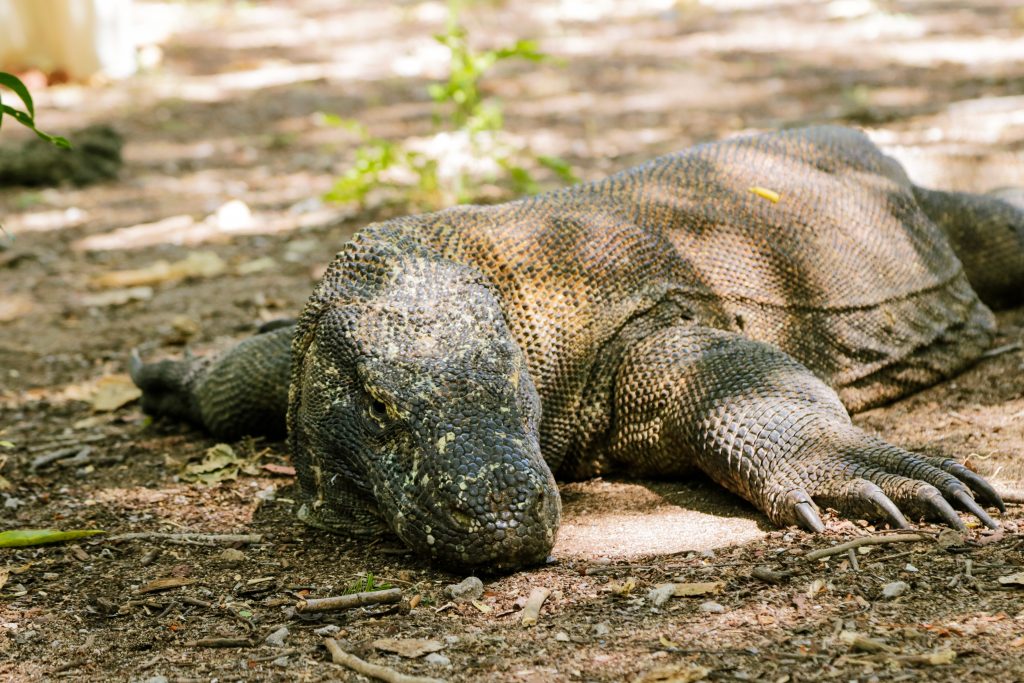
Komodo Dragon at Komodo Island, East Nusa Tenggara, Indonesia
Introduction
Komodo dragons are the largest lizards in the world, captivating visitors with their impressive size and unique characteristics. These majestic creatures inhabit the Komodo National Park in Indonesia, a UNESCO World Heritage site that draws tourists from around the globe. In this article, we’ll explore the fascinating world of Komodo dragons, covering everything from their physical traits to their conservation status.
Physical Characteristics of Komodo Dragons
Komodo dragons can grow up to 10 feet in length and weigh as much as 150 pounds, making them the largest lizards on Earth. They possess sharp, serrated teeth and a venomous bite, which they use to incapacitate their prey. Their strong tails are not only used for balance but can also deliver powerful blows. These physical characteristics make Komodo dragons formidable predators.
Habitat and Distribution
Komodo dragons are native to a few Indonesian islands, including Komodo Island, Rinca, Flores, and Gili Motang. They thrive in dry, open grasslands, savannas, and tropical forests. The climate of these islands is characterized by hot temperatures and seasonal rainfall, providing an ideal environment for these reptiles.
Diet and Hunting Behavior
As carnivorous reptiles, Komodo dragons have a diverse diet that includes deer, pigs, and even water buffalo. They are known for their patient and stealthy hunting techniques, often ambushing their prey with a swift attack. Their venom contains anticoagulant properties, causing the prey to bleed profusely, making it easier for the dragon to track and consume its meal.
Reproduction and Lifespan
Komodo dragons typically mate between May and August, with females laying eggs in September. A single clutch can contain up to 30 eggs, which are incubated for about eight months. The lifespan of a Komodo dragon can reach up to 30 years, with the first five years being the most vulnerable to predators and environmental factors.
Conservation Status and Threats
Despite their formidable nature, Komodo dragons are classified as vulnerable by the International Union for Conservation of Nature (IUCN). The primary threats to their population include habitat destruction, poaching, and human encroachment. Conservation efforts are underway to protect these incredible creatures, including habitat preservation and anti-poaching measures.
Tourism and Cultural Significance
Komodo National Park is a popular tourist destination, attracting wildlife enthusiasts eager to witness these magnificent creatures in their natural habitat. The park’s cultural and economic impact on local communities is significant, providing jobs and supporting conservation initiatives. However, responsible tourism is crucial to ensure the protection of Komodo dragons and their habitat.
Conclusion
Komodo dragons are a symbol of Indonesia’s rich biodiversity and natural beauty. As the largest lizards in the world, they are a marvel of evolution and a critical component of their ecosystem. Protecting these unique creatures requires global awareness and responsible tourism practices.
If you’re ready to plan your journey, Royal Voyage’s expert team can craft a sailing experience that fits your style — whether it’s a romantic escape or an adventure with friends.
Send us a message on WhatsApp +628116699948 to start your Komodo National Park Journey with Royal Voyage today.